
One morning you get up to discover something seems wrong. Staying appears heavier than going, and the job that once enthralled you now drains you. If you have come this far, you are not alone; most significantly, you are not trapped. It could seem terrifying to leave a job, but if done properly, you can leave with confidence, dignity, and peace of mind.
The first stage is to determine the underlying causes.
You have to first grasp your motives for quitting before acting. This stage guides one toward a more logical choice above an emotional one.
Consider this:
- Is your discontent brought on by the environment, management, or workload?
- Do you prefer a better work-life balance, more money, or chances for advancement?
Are you abandoning something or moving in the proper path?
Understanding the causes of your choice will enable you to calmly transmit it and prevent future second guessing.
Get ready before you make your announcement.
It is advised to get ready before suddenly resigning. Maintaining composure and lowering needless stress depend on planning.
You ought to do the following:
- Get another job before leaving your current one if at all possible.
- Check your contract to verify the notice period criteria.
- Create a budget so you can manage any income gap.
- Change your resume and profiles on professional networking websites.
Preparation guarantees that you are not headed into the unknown.
Pick the Proper Time and Method
Regarding resigning a job, timing is critical. You should not give up when it’s really unavoidable, such as during a crucial project or when your team is depending heavily on you.
If you’re ready:
- Ask your boss for a private conversation.
- Talk gently and quietly.
- Refrain from whining or making allegations.
Even if you want to express yourself, acting professionally will help you to keep your reputation.
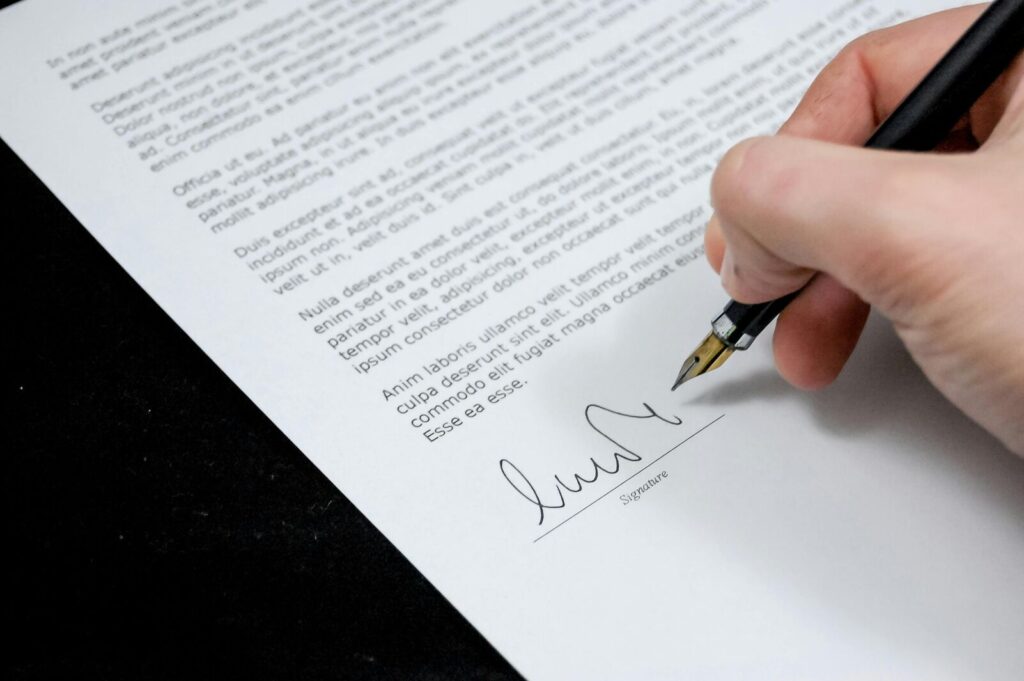
Write a letter of resignation that is well-written.
You still have to turn in an official letter of resignation even if you have already talked with your supervisor. It becomes your selection’s formal documentation.
Your letter ought to cover the following topics:
- Your choice to leave
- Your final day of work
- A short statement of gratitude
Keep it short and courteous. A detailed explanation is not required here.
Keep the dialogue going in a professional way.
Though it is the hardest, this is also the most crucial phase. When you talk to your manager, stay calm and be polite.
At every stage of the dialogue:
- Be direct but polite.
- Do not say anything negative about your coworkers or the business.
- Share your appreciation of the experience.
You could say, for instance:
I have taken one that differs and is more in line with my objectives. I value everything I have learnt here.
This guarantees that the dialogue stays mature and upbeat.
Take responsibility of your behavior During Notice Period
Even after you give up, your perspective is still vital. Your last days will have a great impact.
See that you:
- Carry out every additional obligation.
- If needed, help in the training of your replacement.
- Maintain records of your work to enable a seamless transfer.
- Maintain a consistent rate of output
Responsible quitting shows professionalism and establishes trust even after one has departed.
Keep Friendships Going
Colleagues from now might become helpful contacts in the approaching days. Burning bridges could destroy your future possibilities.
To preserve good connections:
- Thank your coworkers personally.
- Stay in touch through professional networks
- Leave on a high note even if your experience wasn’t ideal.
One can never know when their highways could cross once more.

Do not let your sentiments rule you.
Leaving a job is a change affecting one’s personal and professional life. Guilt, happiness, anxiety, and relief are among the emotions you could experience.
It’s OK to go through this range of feelings. It all depends on how you approach them.
You should:
- Think about why you chose your pick.
- Keep an eye to your future aspirations.
- Allow yourself some time to get used to it.
Change might be uncomfortable, but it usually results in development.
Conclusion:
Carry On with Confidence.Leaving a work is not a failure; rather, it’s a conscious choice to give your health, objectives, and future top priority. When you approach a job with integrity, you leave a lasting impression of expertise and honesty rather than merely doing it.